
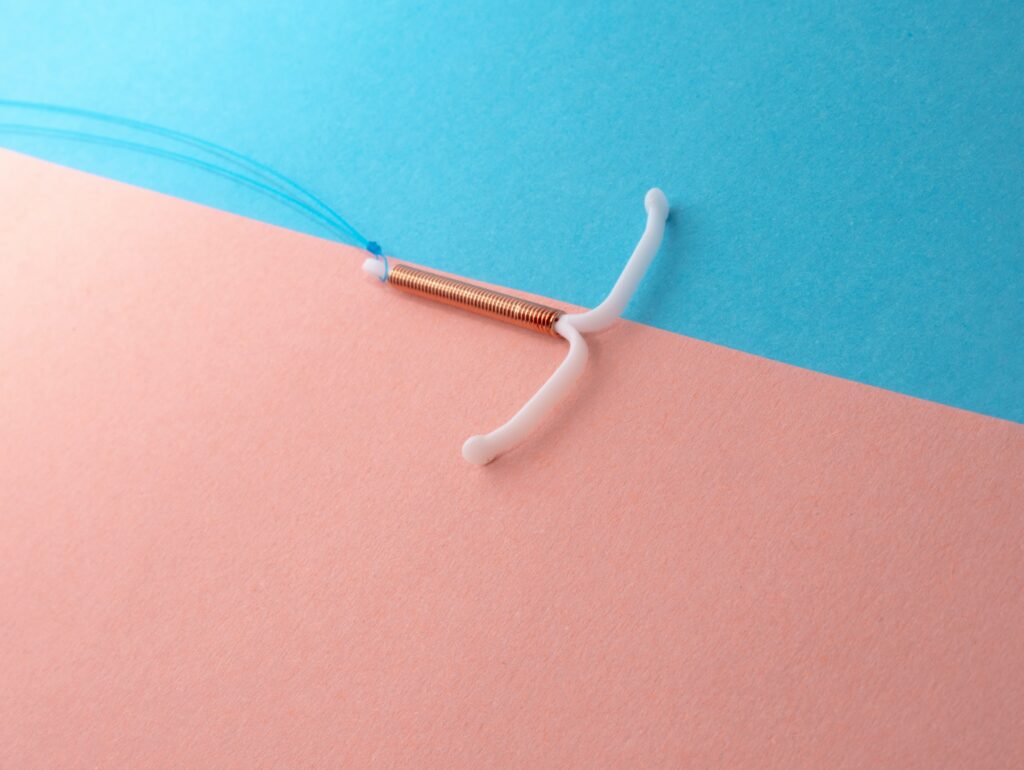
Thinking about an IUD and want a clear, practical path from decision to insertion to follow‑up? You are in the right place. This guide walks you through how to book, whether same‑day insertion is realistic, what to bring, how to manage pain and anxiety, when to schedule around your cycle, who should accompany you, typical costs and insurance coverage, and which IUD might fit your goals. At Renaissance Healthcare for Women in Mountain View, we provide counseling, in‑office insertions, and attentive follow‑up, with telemedicine available for consults so you can plan confidently before you come in.
How to book your IUD appointment
- Start with a consult. Call our office at (650) 988‑7830 to request an IUD consultation. Many patients begin with a brief telemedicine visit to review your medical history, menstrual patterns, contraception goals, prior pregnancies, and any device preferences.
- Confirm your plan. During the consult, we will discuss hormonal vs copper options, timing, pain control choices, and whether same‑day insertion is appropriate.
- Schedule insertion. If labs, a pregnancy test, or STI screening are needed, we will coordinate them so your insertion day is smooth.
Prefer an in‑person planning visit? Book a contraceptive consultation in clinic, then we arrange your insertion based on your timing needs.
Can you get an IUD in one appointment?
Often, yes. Same‑day insertion is possible when you are not pregnant, have no active pelvic infection, and a recent exam does not raise concerns. A quick urine pregnancy test is typically performed at the visit. If you are due for screening or have complex medical history, we might split consult and insertion into two visits for safety and comfort. Concierge members may have faster access to same‑day or next‑day options.
If scheduling is tight, ask about a brief telehealth consult in advance; it streamlines day‑of decisions and increases the chance we can place your IUD at that first in‑person visit.
Do all OB/GYNs place IUDs, and can urgent care do it?
Most OB/GYNs offer IUD counseling and insertion, but not every clinician provides every brand or same‑day placement. Family medicine and primary care clinicians sometimes place IUDs as well. Urgent care clinics usually do not insert IUDs; they are better suited for acute issues. For safe placement and follow‑up, choose an OB/GYN practice that regularly performs insertions, provides ultrasound when needed, and offers accessible after‑care if you have questions or cramps in the days that follow.
If you are local and seeking an established practice for ongoing care, our palo alto obgyn page outlines our regional services and access options.
What to bring and how to prepare
- A valid ID and insurance card, medication list, and allergy list.
- A form of period tracking, recent Pap or STI results if they were done elsewhere, and any prior IUD details.
- A light meal and water beforehand; low blood sugar can worsen dizziness.
- Over‑the‑counter ibuprofen or naproxen unless you are unable to take NSAIDs; your clinician will advise timing.
- A small snack for after, a sanitary pad, and comfortable clothes.
- If you are anxious, ask about pre‑visit strategies and in‑office support.
Pain and anxiety management, real talk
You will feel cramping during and shortly after insertion. Intensity varies: some feel a few strong cramps that fade quickly; others describe period‑like cramps that linger for a day or two. Your plan may include:
- Pre‑medication with ibuprofen or naproxen; acetaminophen if NSAIDs are not an option.
- Local cervical anesthesia in the office; it numbs the area to reduce sharp cramping with sounding and insertion.
- Gentle technique with smaller speculum sizes, compatible lubricants, and the ability to pause at any point.
- Breathing guidance, a chaperone, or a support person in the room if you prefer.
- For high anxiety or prior difficult exams, we tailor a stepwise approach and can consider ultrasound guidance.
Most patients are safe to return to routine activities the same day. If you are sensitive to cramping, consider a lighter schedule and have heat packs at home.
Should you take the day off work?
Not required for most patients. Plan for 30 to 60 minutes in the clinic and expect mild to moderate cramps after. Many go back to work or school the same day. If your job involves heavy physical labor or you have a history of severe cramps, you might prefer a lighter day or late‑afternoon appointment so you can rest afterward.
When to schedule around your cycle
- Any day works if you are not pregnant and you are using reliable contraception up to the visit.
- Many find insertion more comfortable during or right after a period, when the cervix may be slightly open; pregnancy is also less likely then.
- Postpartum and post‑abortion timing is individualized; we will advise you based on healing and bleeding.
- If you have irregular cycles, do not wait; we can do a pregnancy test and proceed if appropriate.
IUD types, how they differ, and who is a good candidate
Two main categories:
- Hormonal IUDs, containing levonorgestrel in varying doses. These often lighten or stop periods, help cramps, and work for 3 to 8 years depending on brand. Good for heavy bleeding, painful periods, anemia, or those who want very low daily hormone exposure without taking a pill.
- Copper IUD, non‑hormonal, effective for up to 10 years. Good if you prefer no hormones or need highly reliable emergency contraception within 5 days of unprotected intercourse. Periods may be heavier or crampier in the first months.
Most people who want long‑acting, reversible contraception are candidates. We will review uterine anatomy, infection risk, current bleeding patterns, migraines or clot history, and medications. Teens and adults can both use IUDs safely; there is no single best age. The best age to get an IUD is the age at which you want highly effective, low‑maintenance birth control, and you do not have a medical reason to avoid a device.
If you want help comparing choices before you come in, a quick palo alto virtual gyn visit can clarify options and answer questions.
Can you come alone?
Yes. You can absolutely come alone. If rides are easy to arrange, having a friend or partner drive you home can be comforting, especially if you tend to faint with medical procedures. Most patients feel well enough to drive themselves.
Insurance coverage and out‑of‑pocket costs
Under many insurance plans in the United States, FDA‑approved contraceptives, including IUDs, are covered with little or no out‑of‑pocket cost. Coverage varies by plan, device brand, and whether services occur in an office or a facility. Common out‑of‑pocket ranges when not fully covered include:
- Device cost: typically several hundred to over one thousand dollars.
- Insertion and visit fees: separate professional fees may apply.
- Pregnancy test or STI screening: modest additional charges if needed.
Our team verifies benefits and provides estimates before insertion whenever possible. If you are paying out of pocket, we will review options and discuss any cost‑saving pathways. For those who value rapid access and extended time, our concierge program supports streamlined scheduling and direct clinician access.
Aftercare and follow‑up
Expect light spotting and cramping for a few days, with irregular bleeding for several weeks to months as your body adjusts. Avoid inserting anything into the vagina for 24 hours unless otherwise directed. Check strings only if instructed; we are happy to check them at a brief follow‑up visit, usually 4 to 6 weeks after insertion, or sooner if you have concerns.
Urgent signs to call us: severe or worsening pain, heavy bleeding soaking a pad hourly, fever or chills, foul discharge, or if you think the IUD has shifted.
How Renaissance Healthcare for Women can help
We provide:
- Thoughtful contraceptive counseling, including genomics‑informed considerations when relevant.
- In‑office IUD insertion with trauma‑informed, consent‑centered care and options to pause at any time.
- Ultrasound support when indicated and prompt follow‑up care.
- Telemedicine consults to plan timing, choose a device, and address cost questions before you come in.
- Concierge access for expedited appointments, including same‑day or next‑business‑day when available.
Ready to move forward? Call (650) 988‑7830 to schedule your consult or request a telehealth planning visit. If you are in Los Altos Hills and want a local appointment, our team can coordinate an iud insertion appointment in los altos hills with seamless follow‑up.
Key takeaways
- Booking is simple: a quick consult, then insertion. Same‑day is often possible with the right screening.
- Pain is manageable with pre‑medication, local anesthesia, and supportive techniques; most return to normal activities the same day.
- Schedule when it works for you; during or right after your period is convenient but not required.
- Insurance often covers IUDs, but benefits vary; we verify and share estimates before placement.
- Hormonal and copper options are both highly effective; the best choice depends on your period patterns, symptoms, and preferences.
- You can come alone if you wish; bringing a support person is optional.
Your contraception should fit your life. We are here to help you choose well, place safely, and feel supported every step of the way.