
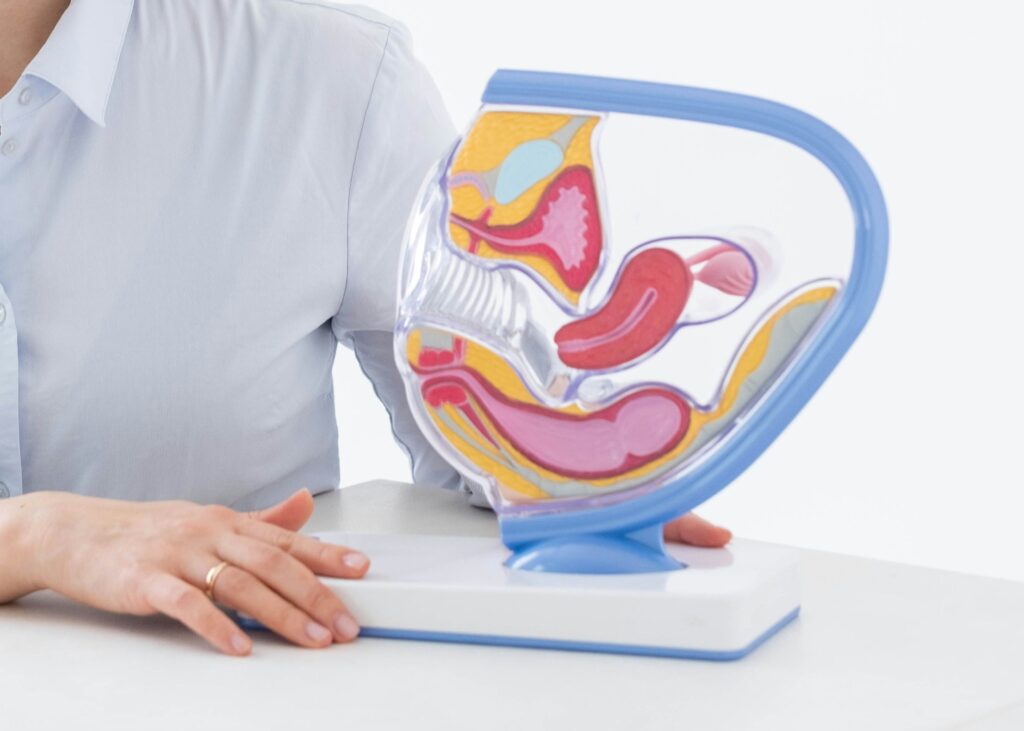
If you have been told you might benefit from laparoscopic or robotic-assisted surgery, you likely want clear, practical answers. How long will it take, how much will it hurt, when can you return to work, and who will be in the room with you. At Renaissance Healthcare for Women in Mountain View, we guide you through each step with privacy, consent-centered care, and coordinated support, including female clinicians for intimate concerns when you prefer.
What counts as minimally invasive gynecologic surgery
Minimally invasive gynecologic surgery uses small incisions and specialized instruments to diagnose or treat conditions involving the uterus, ovaries, fallopian tubes, and pelvic structures. Common approaches include:
- Laparoscopy, a camera and instruments through a few tiny incisions in the abdomen
- Robotic-assisted laparoscopy, the same small incisions with enhanced precision and 3D visualization
- Hysteroscopy, a thin telescope inserted through the vagina and cervix to treat issues inside the uterine cavity without any abdominal incisions
Typical conditions include fibroids, endometriosis, ovarian cysts, abnormal uterine bleeding, adhesions, sterilization, and hysterectomy when indicated.
Is it done in the office or a surgical center
- In-office procedures: IUD insertion, implant placement, some sterilization options, hydrothermal endometrial ablation, and select laser procedures are performed in our clinic suite for convenience.
- Surgical center or hospital: Laparoscopy, robotic-assisted procedures, and most hysterectomies are scheduled at El Camino Hospital, Women’s Hospital, or Silicon Valley Surgery Center in Los Altos. We coordinate pre-op testing, imaging, and referrals so you do not have to manage logistics alone.
If you are exploring advanced options locally, learn more about minimally invasive gynecologic procedures in palo alto on our site.
Who performs a laparoscopy
A laparoscopy is performed by an obstetrician-gynecologist trained in minimally invasive techniques. At our practice, Dr. Barbi Phelps-Sandall, board certified in Obstetrics and Gynecology and skilled in robotic and laparoscopic surgery, leads surgical care with a coordinated team, including anesthesia professionals and perioperative nurses.
Anesthesia and whether you will be awake
- Laparoscopy and robotic-assisted surgery: You will be under general anesthesia, so you will be asleep and pain free during the procedure.
- Hysteroscopy: Often performed with IV sedation or general anesthesia; smaller office hysteroscopic procedures may be done with local anesthesia and oral medications when appropriate.
Your anesthesia plan is reviewed in advance, including fasting instructions and medication adjustments.
How long surgery usually takes
- Diagnostic laparoscopy: about 30 to 60 minutes
- Laparoscopic treatment for endometriosis or ovarian cysts: 60 to 120 minutes, depending on complexity
- Robotic-assisted myomectomy or hysterectomy: commonly 2 to 3 hours
- Hysteroscopic polypectomy or ablation: often 15 to 45 minutes
Time varies based on your anatomy, surgical history, and what is found during surgery. Your surgeon will give you a personalized estimate.
Pain expectations and the first day
Thanks to small incisions and refined techniques, most patients report mild to moderate discomfort controlled with a short course of oral pain medicine, scheduled anti-inflammatory medication, and sometimes a long-acting local anesthetic placed at the incision sites. Shoulder tip pain from carbon dioxide used to inflate the abdomen can occur after laparoscopy; walking, gentle stretching, and warm packs help.
Nausea can happen after anesthesia. We use preventive anti-nausea medications and send you home with instructions and prescriptions as needed.
How soon you can walk after a laparoscopic hysterectomy
Most patients are assisted to stand and take short walks within a few hours. Early movement reduces the risk of clots, improves breathing, and eases gas discomfort. At home, brief walks several times per day are encouraged, gradually increasing distance as you feel stronger.
Typical recovery timelines and time off work
Recovery varies, but these general ranges apply:
- Laparoscopy for cysts or endometriosis: back to light activities in 2 to 5 days; return to desk work in 3 to 7 days; full activity in 2 to 4 weeks
- Robotic-assisted myomectomy or hysterectomy: light activities in 3 to 7 days; return to desk work in 1 to 2 weeks; full activity in 4 to 6 weeks
- Hysteroscopy: many patients resume normal activities the next day; mild cramping or light spotting for a few days
If your job involves heavy lifting or intense physical work, you may need a longer restriction period. We provide individualized letters for work and help you plan a safe, confident return.
Benefits and drawbacks to consider
Benefits:
- Smaller incisions, less pain, and lower infection risk
- Shorter hospital stays, often same day or overnight
- Faster return to normal activities and work
- Enhanced visualization with robotics, helpful in complex cases
Potential disadvantages:
- Not every condition or anatomy is suited to minimally invasive techniques; prior surgeries or very large fibroids may require alternative approaches
- Rare but real risks include bleeding, infection, injury to nearby organs, and conversion to an open procedure for safety
- Specialized equipment and operating room availability can affect scheduling
We review risks, benefits, and alternatives in a shared decision-making visit, answer every question, and obtain informed consent without rushing.
How we coordinate your care
Preparation:
- Imaging and labs: Our team orders pelvic ultrasound or MRI when needed, coordinates lab work, and shares results with you promptly; we can also arrange palo alto ultrasound gynecology referrals when appropriate.
- Pre-op visit: Medication review, anesthesia screening, fasting and arrival times, ride-home planning, and what to bring on surgery day.
- Privacy and comfort: Consent-centered exams, chaperones on request, smaller speculum sizes, and scheduling with female clinicians when preferred.
Day of surgery:
- Arrival and check-in at the hospital or surgery center
- Review of the plan with your surgeon and anesthesia team
- Procedure, recovery in PACU, and discharge when criteria are met with written instructions
After surgery:
- Check-in call, secure telemedicine for quick questions, and in-person follow-up to review pathology, incision healing, and recovery milestones
- Symptom guidance: what is normal, what to watch for, when to call
If you prefer a streamlined experience with direct access and expedited scheduling, our palo alto concierge medicine option supports work and family demands while keeping communication direct and responsive.
Frequently asked recovery questions, answered
- What is the recovery time for minimally invasive gynecologic surgery? Most patients are back to light activity within days and return to desk work within 1 to 2 weeks for common laparoscopic procedures; full activity often resumes by 4 to 6 weeks for larger operations.
- Are you awake during minimally invasive surgery? No, not for laparoscopy or robotic surgery; you will be asleep under general anesthesia. Some small hysteroscopic procedures may be done awake with local anesthesia.
- How many hours does a laparoscopy take? Many laparoscopies take 1 to 2 hours; simpler diagnostic cases can be shorter, complex cases longer.
When to call sooner
Contact us if you have a fever above 100.4 F, worsening pain not controlled by medication, heavy vaginal bleeding, persistent vomiting, redness or drainage at incisions, chest pain, shortness of breath, or calf pain with swelling. If a symptom feels concerning, trust your instincts and reach out.
Your next step
You deserve clear guidance and a plan that fits your life. At Renaissance Healthcare for Women, we offer office-based procedures, advanced laparoscopic and robotic surgery, and attentive follow-up. Female-provider availability and telemedicine options help maintain privacy and comfort. For patients in Los Altos Hills considering surgery, explore laparoscopic gynecology in los altos hills for an overview of approaches and coordination. To schedule a consult or second opinion, call (650) 988-7830. We will review your goals, imaging, and history, and help you move forward with confidence.